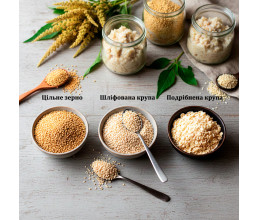
Amaranth, which is often called the "golden grain of the Incas", is rapidly gaining popularity in the modern world due to its exceptional nutritional properties. This ancient crop is a valuable source of protein, minerals and vitamins, but, like any other product, it has its own characteristics. In this article, we will consider in detail all aspects - from the indisputable benefits to the potential harm of amaranth to health. Benefits of amaranth for the body
1. A source of complete protein Amaranth contains complete vegetable protein, easily absorbed by the body. Unlike most cereals, it has a high content of lysine - an essential amino acid that is critical for the formation of muscle tissue, hormone production and calcium absorption. This makes amaranth an ideal product for vegetarians, athletes and anyone who wants to enrich their diet with high-quality protein.
2. Rich in vitamins and minerals
Amaranth helps fight anemia, as it contains a significant amount of iron, which is necessary for the production of red blood cells.
Calcium: It is an excellent source of calcium, which helps strengthen bones and teeth, and prevents osteoporosis.
Magnesium: Magnesium contained in amaranth maintains the health of the nervous system, reduces stress and improves sleep.
Vitamins: The product is rich in B vitamins, which play a key role in metabolic processes, and vitamin C, which strengthens the immune system.
3. High fiber content Amaranth is an excellent source of dietary fiber, which normalizes the digestive system, prevents constipation and helps remove toxins from the body. Regular consumption of fiber promotes a feeling of satiety, which helps control weight.
4. Protection of the cardiovascular system Due to the high content of phytosterols and squalene, amaranth helps reduce the level of "bad" cholesterol in the blood, which serves as a prevention of atherosclerosis and other cardiovascular diseases.
Possible Harm and Disclaimer Despite its many benefits, amaranth, like any product, has some features that should be taken into account:
1. Anti-nutrients Amaranth contains oxalates and phytates - compounds that can interfere with the absorption of some minerals, particularly calcium and zinc. To minimize their impact, it is recommended to soak amaranth grains for 1-2 hours before cooking, and also to consume in moderation.
2. Risk of allergic reactions Although allergies to amaranth are rare, some people may have an individual intolerance. If symptoms such as rash, itching or discomfort in the digestive system appear, you should stop using the product and consult a doctor.
3. High calorie content Amaranth is a fairly high-calorie product. 100 g of dry cereal contains about 370 kcal. Therefore, people who monitor their weight should control their portion sizes. Conclusion Amaranth is a true superfood that offers many health benefits. It is an excellent source of nutrients, helps strengthen the immune system and protect against chronic diseases. At the same time, as with any other food, it is important to observe moderation. Proper storage and preparation will help to maximize its potential, making amaranth a valuable and tasty addition to your diet.

Comments: