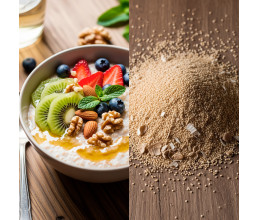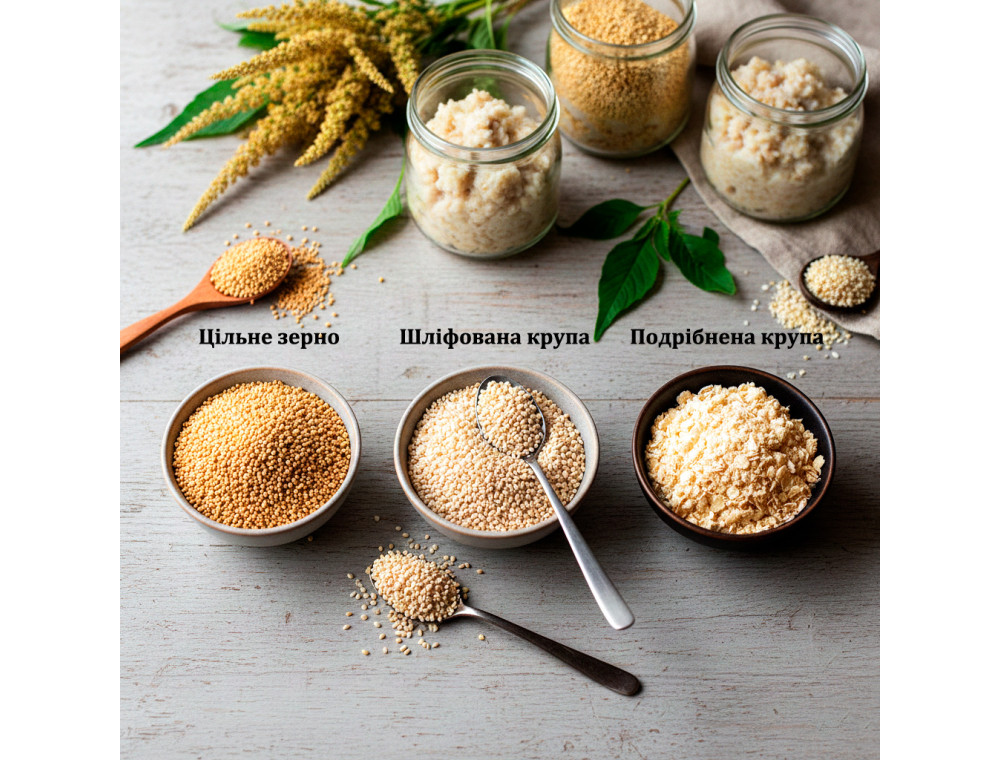
Amaranth is a true "superfood" of antiquity, currently experiencing a global resurgence. However, when you step into a health food store, you are faced with a choice: whole grain, polished grain, or crushed (grits).
Although they all come from the same plant, the processing method significantly affects cooking time, texture, and even nutritional value. Let’s break down the details.
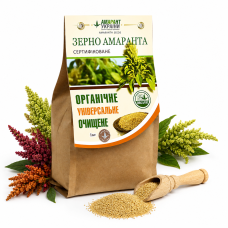
1. Whole Amaranth Grain (Natural)
This is the grain in its most primitive form, with only the external debris removed after harvesting.
Features: The grain is covered by its natural protective bran layer. It is very small (similar to poppy seeds) and has a sandy or golden color.
Texture & Taste: After cooking, the grains remain intact and have a pleasant "pop" when bitten (similar to caviar). It has a distinct nutty, slightly earthy flavor.
Benefits: Maximum nutrition. Since the outer shell is intact, it retains the full supply of fiber, vitamins, and minerals.
Best For: Side dishes, salad toppings, or making "amaranth caviar."
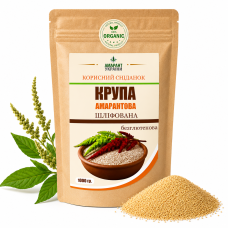
2. Polished Amaranth Grain
This is the grain with its outer layer (bran) mechanically removed.
Features: The grains become lighter, almost white. Due to the absence of the tough outer shell, they cook much faster.
Texture & Taste: A softer and more delicate consistency compared to whole grain. The flavor is less intense and more refined.
Benefits: Slightly lower than whole grain due to the loss of some fiber from the shell, but the essential protein and squalene remain within the core.
Best For: Porridge for children, desserts, and smooth puddings.
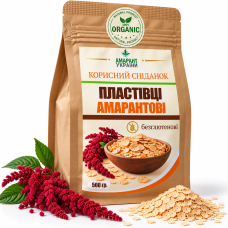
3. Crushed Amaranth (Grits/Flakes)
These are mechanically cracked whole or polished grains.
Features: Appears as small fragments of grain. It cooks almost instantly—usually requiring only 5–7 minutes or simple steeping in boiling water.
Texture & Taste: Has a viscous, creamy structure. It most closely resembles a traditional "mushy" porridge.
Benefits: Depends on whether the grain was polished before crushing. The glycemic index is usually higher than whole grain because it is easier for the body to digest.
Best For: Quick breakfasts, thickening meat stuffings, breading, or creamy soups.
Comparison Table
| Feature | Whole Grain | Polished Grain | Crushed (Grits) |
| Cooking Time | 20–30 min | 15–20 min | 5–10 min |
| Fiber Content | Highest | Medium | Medium/Low |
| Texture | Fluffy, poppy | Soft | Viscous, creamy |
| Best Used For: | Salads & Sides | Baby Food | Quick Breakfasts |
Which One Should You Choose?
If your goal is maximum detox and digestive health, choose whole grain.
If you want a gentle breakfast for a child or have a sensitive stomach, polished amaranth is ideal.
To save time in the morning, crushed amaranth is your best bet.
Pro-Tip: Amaranth is naturally gluten-free, making it perfect for people with celiac disease or those following a gluten-restricted diet.
Comments: