Diabetes Mellitus: The Epidemic of the 21st Century
Diabetes mellitus is recognized as one of the major non-communicable epidemics of the 21st century. According to statistics, an average of 4–5% of the population suffers from diabetes, a number that continues to grow primarily due to Type 2 diabetes cases. Unlike Type 1 diabetes, which is often hereditary and manifests in childhood or adolescence, Type 2 diabetes can develop in almost anyone, accounting for the vast majority of the global increase in the disease.
Why is Type 2 Diabetes Dangerous?
Type 2 diabetes is a deceptive disease. It is essentially a metabolic disorder where cells stop responding effectively to insulin (insulin resistance). The disease progresses slowly; in its early stages, a person may not even suspect they are ill, often attributing symptoms to simple fatigue. However, it is during this initial stage that lifestyle changes and treatment are most effective in preventing serious complications.
Common symptoms of Type 2 diabetes include:
Blurred vision;
Chronic fatigue or rapid exhaustion;
Memory impairment;
Slow wound healing, frequent ulcers, or abscesses;
Skin issues (frequent fungal infections, itching, dryness);
Increased thirst;
Frequent urination, especially at night;
Pain or tingling in the limbs while walking.
In more than 50% of cases, the early stages are entirely asymptomatic. Many patients only discover their diagnosis during routine blood tests after the disease has already progressed, requiring significantly more effort to manage.
Causes and Risk Factors
The causes of Type 2 diabetes are diverse, but they are largely linked to lifestyle and environment. Major risk factors include:
Dietary habits: Excessive consumption of refined carbohydrates (white bread, potatoes, sweets) and processed foods.
Obesity and sedentary lifestyle: A lack of physical activity is a primary trigger.
Genetics: A family history of the disease.
Health conditions: Chronic high blood pressure (hypertension).
Environment: Poor ecological conditions and low-quality food with chemical additives.
The Role of Amaranth in Managing Diabetes
Amaranth (often known as pigweed) is a highly valuable plant frequently overlooked as a common weed. However, cultivated varieties are incredibly nutritious.
The greatest strength of amaranth lies in its balanced composition. It contains 6% squalene, vitamin E, phospholipids, phytosterols, and essential linoleic acid. This unique profile allows it to gently but effectively support the body’s recovery processes.
Squalene is the key component, responsible for saturating cells with oxygen and stimulating metabolism. Since Type 2 diabetes is a systemic metabolic disorder, restoring normal metabolic function is crucial for improvement.
Medical Note: Clinical studies (such as those conducted at Kharkiv Medical University) have shown that using amaranth oil alongside traditional treatment yields significantly better results than medication alone. In some cases, patients were able to reduce their dosage of glucose-lowering drugs under medical supervision after incorporating amaranth.
Recommendations for Using Amaranth Oil
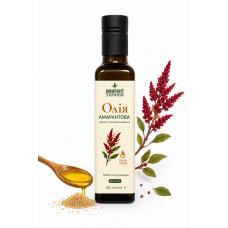
Dosage: For effective support, it is recommended to take two teaspoons of amaranth oil in the morning and evening before meals.
Initial Effects: At the start of the course, minor side effects like slight nausea or dizziness may occur. This is the body’s reaction to increased oxygen saturation caused by squalene. These symptoms usually disappear within a few days.
Amaranth Tea: For those who prefer a milder approach, amaranth tea is an excellent alternative. Steep one teaspoon of dried amaranth in 200ml of water for 10 minutes. Drink three times a day, 15–20 minutes before meals.
Prevention
Prevention is always better than a cure. If you are in a high-risk group, consider the following:
Incorporate amaranth products (flour, grain, or oil) into your diet to stimulate metabolism.
Prioritize a plant-based diet rich in fiber, vegetables, and fruits.
Stay active and monitor your weight.
Disclaimer: Diabetes is a serious medical condition. Amaranth should be used as a supplement to, not a replacement for, prescribed medical treatment. Always consult your endocrinologist before making changes to your medication or diet.
Certainly! Here is the balanced daily dietary menu for people with Type 2 diabetes, translated into English.
Daily Dietary Menu (Incorporating Amaranth)
Breakfast: Energetic Start
Amaranth porridge cooked with water or low-fat milk. Add a pinch of salt and a few nuts (almonds or walnuts).
Beverage: Amaranth tea (helps gently wake up the metabolism).
Benefits: Amaranth grain is high in protein and fiber, providing a long-lasting feeling of fullness without sharp glucose spikes.
Snack #1 (Mid-Morning)
A green apple or a handful of berries.
Supplement: 1 teaspoon of amaranth oil (can be taken separately or drizzled over the fruit).
Lunch: Nutritious and Light
Vegetable soup (cabbage, broccoli, zucchini), seasoned with 1 tablespoon of amaranth oil just before serving.
Protein: Boiled chicken breast or baked fish.
Salad: Fresh greens (spinach, cucumber, lettuce) with added fresh amaranth leaves (if available).
Benefits: The squalene in the oil improves oxygen delivery to tissues, which is vital for preventing diabetic complications.
Snack #2 (Afternoon Snack)
Low-fat cottage cheese mixed with 1 teaspoon of amaranth flour or amaranth seeds.
Beverage: A glass of plain water or herbal tea.
Dinner: Easy Digestion
Vegetable stew with amaranth grains. (Cook the amaranth grains together with vegetables like eggplant, bell peppers, and tomatoes).
Beverage: Amaranth tea.
Benefits: A low-carb dinner helps prevent overnight hyperglycemia (high blood sugar).
Essential Tips for Diabetics:
Heat Sensitivity: It is best to add amaranth oil to dishes after they are cooked. Heating the oil above 60°C (140°F) destroys its beneficial properties, particularly squalene.
Baking with Flour: When baking, try replacing at least 20-30% of wheat flour with amaranth flour. This significantly lowers the overall Glycemic Index (GI) of the food.
Monitoring: Introduce new products gradually. Use a glucose meter to monitor your blood sugar levels and see how your body specifically reacts to amaranth.
Hydration: Remember to drink plenty of plain water between meals to help your kidneys process fiber and metabolic byproducts.
This menu is a general guideline. For a personalized plan tailored to your weight, age, and health status, please consult a registered dietitian or your healthcare provider.

Comments: