Amaranth is a unique pseudocereal that has been valued for its nutritional properties for centuries. Rich in protein, fiber, vitamins and minerals, amaranth is becoming increasingly popular among supporters of healthy eating. To get the most out of this wonderful plant, it is important to know how to store, cook and consume it correctly. In this article, we will reveal all the secrets.
Proper storage of amaranth
To keep amaranth healthy and fresh, follow these simple rules:
Dry place: Store amaranth in a dry, cool and well-ventilated place. Avoid direct sunlight and moisture, as this can lead to spoilage.
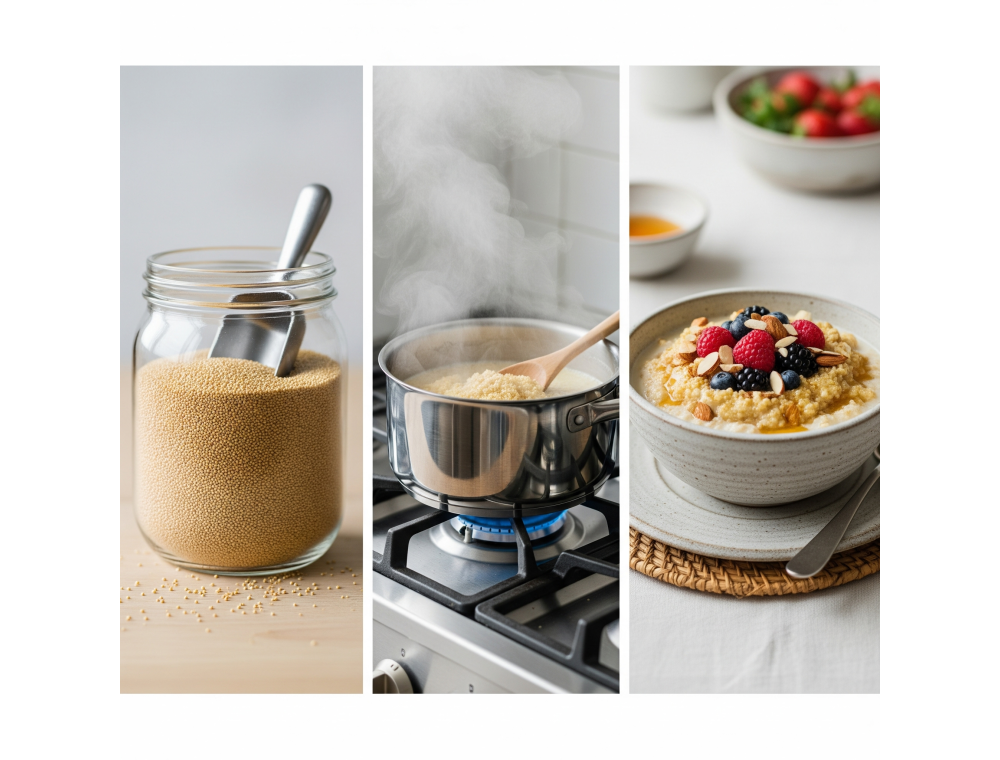
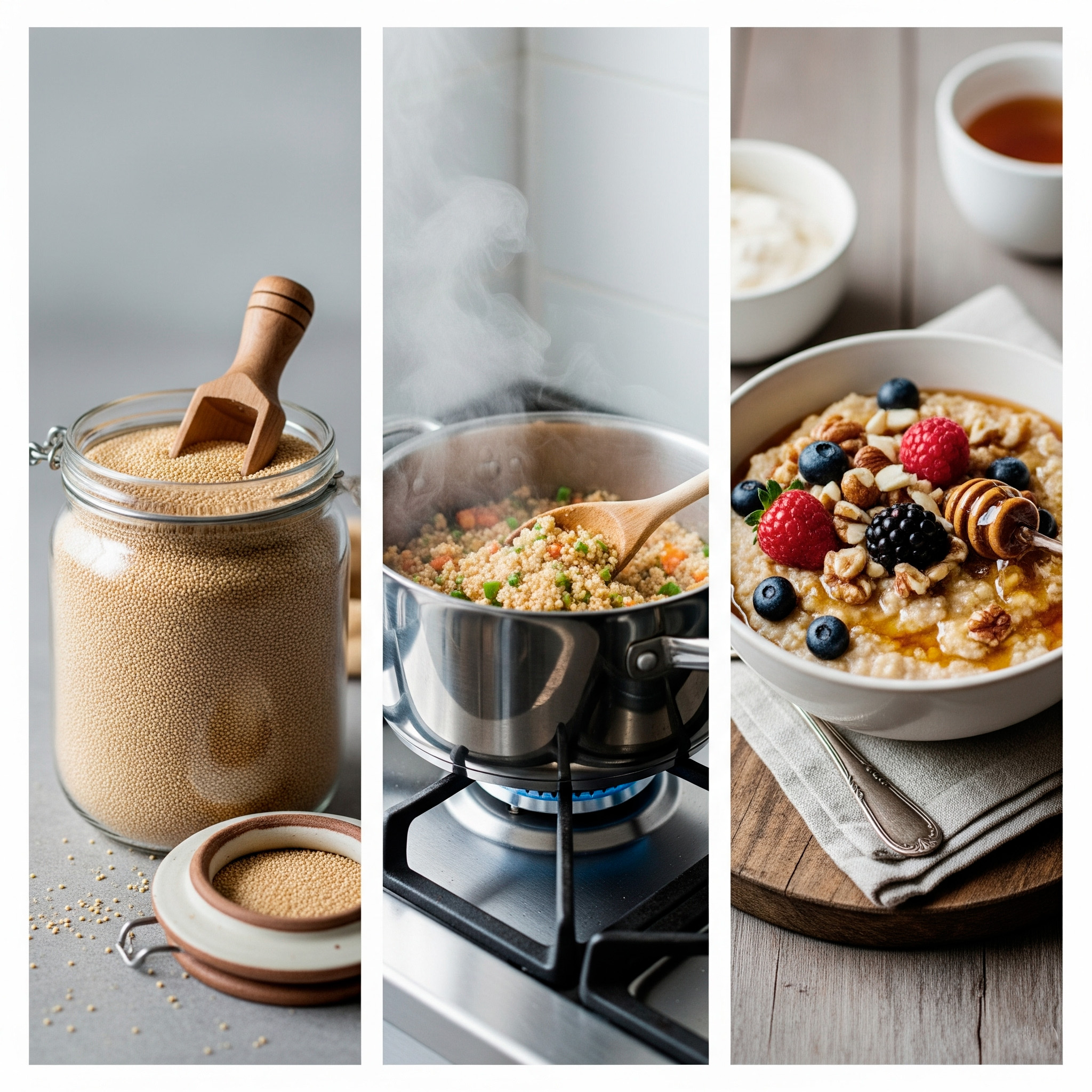
Airtight container: Transfer amaranth from its original packaging to an airtight container or glass jar with a tight lid. This will protect it from insects, dust and foreign odors.
Shelf life: Whole amaranth grains can usually be stored for up to 6-12 months under the right conditions. Milled groats and amaranth flour have a slightly shorter shelf life – about 4-6 months. Always check the production date on the package.
Flour conditions: Amaranth flour is particularly sensitive to moisture and odors. It is best to store it in the refrigerator in an airtight container to extend its shelf life.
Secrets of properly cooking amaranth
Amaranth is a versatile product that can be cooked in various ways. Here are the most common of them:
Cooking whole grains:
Rinse the amaranth under running water.
Pour in water or broth in a ratio of 1:3 (3 parts liquid to 1 part amaranth).
Bring to a boil, reduce heat to low, cover and cook for 20-25 minutes until all the liquid is absorbed.
The finished amaranth will be soft and slightly sticky.
Cooking air amaranth:
Heat a dry, thick-bottomed frying pan over medium heat.
Pour in a small amount of amaranth grains (about 1-2 tablespoons).
Stir constantly. After a few seconds, the grains will begin to "shoot" and increase in size, turning into air amaranth, similar to miniature popcorn.
Quickly pour the finished air amaranth out of the pan so that it does not burn.
Repeat the process with the remaining grains.
Using amaranth flour:
Amaranth flour does not contain gluten, so it is often mixed with other types of flour (wheat, rice, buckwheat) to make bread, pancakes, muffins and other baked goods. The recommended proportion is up to 30% amaranth flour from the total amount.
It can also be used as a thickener for sauces and soups.
How to use amaranth correctly
Amaranth is easy to integrate into your daily diet:
Porridge: Cooked amaranth groats are a great option for a nutritious breakfast. Add fruits, berries, nuts, honey or spices to taste.
Side dishes: Cooked amaranth can serve as a healthy side dish for meat, fish and vegetable dishes.
Salads: Chilled cooked amaranth will add nutrition and original texture to salads.
Baking: Use amaranth flour to make delicious and healthy homemade pastries.
Snacks: Puffed amaranth is a light and crunchy snack. It can be eaten on its own or added to yogurts, muesli and granola.
Soups and stews: Amaranth can enrich soups and stews, making them more satisfying and nutritious.
Health Benefits of Amaranth
Regular consumption of Amaranth can have a positive effect on your health:
Protein source: Amaranth contains a significant amount of high-quality protein with all the essential amino acids.
Rich in fiber: Fiber helps normalize digestion and maintains a feeling of satiety.
Gluten-free: Amaranth is an excellent choice for people with celiac disease or gluten sensitivity.
Contains valuable minerals: Amaranth is rich in iron, magnesium, phosphorus and manganese.
Source of antioxidants: Antioxidants help fight free radicals and protect the body's cells.
Amaranth is not only delicious, but also an extremely healthy product that can be a valuable addition to your diet. By following simple storage rules and knowing different cooking methods, you can enjoy its benefits every day.
Comments: