Cardiovascular Diseases: The Modern Curse of Humanity
According to statistics, cardiovascular diseases (CVD) are the leading cause of death globally. They account for one-third of all deaths on the planet. Compared to other conditions, CVDs are the most dangerous and widespread; practically no one is immune to them. Furthermore, over the last century, heart disease patients have become significantly "younger," and it is no longer rare for individuals to pass away during their most productive years.
Causes of Cardiovascular Diseases
The World Health Organization (WHO) identifies the following primary risk factors for cardiovascular diseases:
Smoking;
Physical inactivity;
Poor diet;
Alcohol abuse;
Environmental pollution.
While these are significant factors, they are not the only ones. We often see people who do not smoke, rarely drink, maintain a healthy diet, and stay active at work, yet still suffer from heart conditions. This suggests that the factors listed by the WHO increase the risk but are not the sole root causes. Independent research presents a different perspective.
You have likely heard the saying "All diseases come from the nerves," and regarding cardiovascular health, this is entirely true. Constant stress, excessive strain on the nervous system, sleep deprivation, and similar factors are guaranteed to lead to diseases of the heart or arteries. The modern pace of life forces people into this cycle: employers demand the impossible, wages remain low, and people are forced to seek extra work and side hustles. This exhaustion of the nervous system leads to the onset of CVD, usually manifesting after age 30, though many cases are recorded in younger people with high-stress jobs.
The second major factor is modern ecology. City air is saturated with exhaust gases and heavy metals that accumulate in the body. Furthermore, food quality is declining. Crops, vegetables, and fruits are treated with chemicals for higher yields and pest protection. As a result, truly "organic" products are rare, and the chemicals consumed slowly but surely damage our health.
Processed foods and convenience meals are also problematic. Manufacturers often use low-quality raw materials and potentially harmful additives to extend shelf life and improve appearance. Almost everything in stores, including bread, can be considered somewhat harmful.
Finally, excess weight leads to heart and circulatory problems. It places an additional burden on the body, leading to hypertension at best, and severe cardiac issues at worst.
Types of Cardiovascular Diseases
There are numerous types of CVD, and many people do not realize they are ill in the early stages, dismissing their symptoms as simple fatigue.
The main types include:
Hypertension (high blood pressure);
Ischemic heart disease (heart attack);
Cerebrovascular disease (stroke);
Peripheral arterial disease;
Heart failure;
Rheumatic heart disease;
Congenital heart disease;
Cardiomyopathies.
Acute forms of these diseases can strike at any age. In such cases, immediate medical attention and treatment are required. Additionally, varicose veins are a common issue, especially for women, causing not just aesthetic concerns but persistent pain, swelling, and fatigue.
The Benefits of Amaranth in Treating Heart and Arterial Diseases
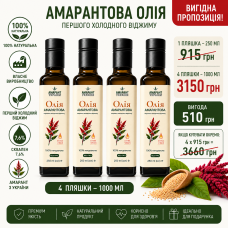
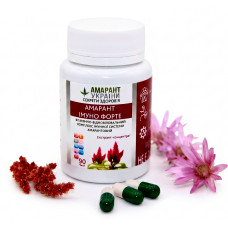
Amaranth is highly beneficial for all types of cardiovascular diseases. Unlike medications that often target only symptoms, amaranth works holistically, helping the body heal itself. This is due to its composition: it contains essential vitamins, minerals, and a complex of biologically active substances.
Amaranth has a particularly positive effect on the circulatory and hematopoietic (blood-forming) systems:
Detoxification: It cleanses the blood and the entire body of toxins.
Comments: