In search of natural sources of health and longevity, humanity is constantly discovering new superfoods. Among them, a special place is occupied by amaranth - an ancient crop that fed the Incas and Aztecs for thousands of years, and today is regaining worldwide fame due to its unique healing properties. Let's dive into the world of amaranth and find out why it is called the "golden grain of the gods".
The History and Return of Amaranth
Amaranth, which means "unfading" or "eternal" in Greek, was the main grain crop in pre-Columbian America. It was used not only as food, but also in religious rites and medicine. However, with the arrival of the conquistadors, the cultivation of amaranth was almost completely banned due to its role in local beliefs. Fortunately, this unique plant did not disappear and has been able to survive to this day, now experiencing a rebirth.
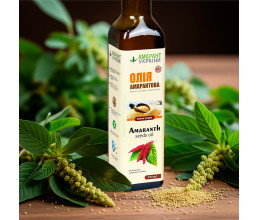
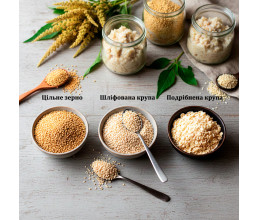
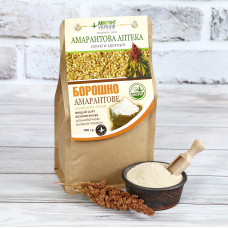
Today, amaranth is grown all over the world and is available in many forms: as a grain, flour, vegetable oil, leaves, and even as a dietary supplement.
Nutritional Value of Amaranth: Why is it a Superfood?
Amaranth is a real powerhouse of nutrients, making it one of the most valuable foods for maintaining health and prolonging life.
Complete Protein: One of the most important benefits of amaranth is its high protein content - about 14-18%. More importantly, it is a complete protein, containing all nine essential amino acids, including lysine, which is often lacking in other grains. This makes amaranth an ideal product for vegetarians, vegans, and athletes.
Gluten Free: Amaranth is naturally gluten-free, making it an excellent alternative for people with celiac disease or gluten sensitivity.
Source of Dietary Fiber: The high fiber content of amaranth (3 times more than wheat) helps normalize digestion, prevents constipation, helps control blood sugar levels and lower cholesterol.
Minerals and Vitamins: Amaranth is rich in vital minerals such as iron (5 times more than spinach), calcium (2 times more than milk), magnesium, phosphorus, potassium and zinc. It also contains B vitamins, vitamin C and vitamin E.
Squalene: Amaranth oil is one of the richest natural sources of squalene, a unique hydrocarbon that is a powerful antioxidant. Squalene helps saturate cells with oxygen, protects them from free radicals, slows down the aging process and strengthens the immune system.
Amaranth for Longevity: Healing Properties
Regular consumption of amaranth can significantly improve the quality of life and promote longevity due to its numerous medicinal properties:
Cardiovascular System Due to its high content of fiber, phytosterols and magnesium, amaranth helps lower "bad" cholesterol, normalize blood pressure and reduce the risk of developing cardiovascular diseases.
Blood Sugar Control: The low glycemic index and high fiber content of amaranth help stabilize blood sugar levels, which is especially important for people with diabetes or at risk of developing it.
Immunity Boost: The antioxidants, vitamins and minerals contained in amaranth support the immune system, increasing the body's resistance to infections and diseases.
Anti-Inflammatory Properties Some components of amaranth have pronounced anti-inflammatory properties, which can be useful for arthritis, inflammatory bowel disease and other conditions associated with inflammation.
Bone Health: High calcium and magnesium content makes amaranth an excellent food for preventing osteoporosis and maintaining bone strength, especially in old age.
Anti-Carcinogenic: Research suggests that squalene and other antioxidants in amaranth may have anti-cancer properties by helping fight free radicals and prevent cell damage.
Detoxifying the Body: The fiber in amaranth helps remove toxins and waste from the body, improving the functioning of the digestive system and liver.
How to Include Amaranth in Your Diet
Amaranth is a versatile food that is easy to integrate into your daily menu.
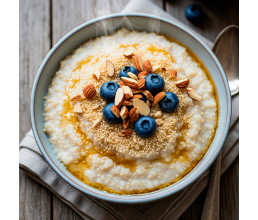
Grain: Cook amaranth as a porridge (like quinoa or buckwheat), add to soups, salads, or use as a side dish. It has a delicate, nutty flavor.
Flour: Amaranth flour is ideal for baking bread, buns, pancakes, cookies, and other gluten-free baked goods. It can be mixed with other types of flour.
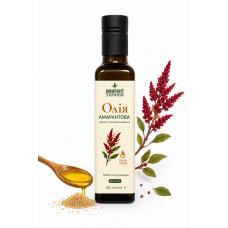
Amaranth oil is a valuable food supplement. It can be consumed in its pure form (1-2 teaspoons per day) or added to salads and cold dishes. It is not recommended for frying due to its sensitivity to high temperatures.
Leaves: Young amaranth leaves can be used like spinach - added to salads, smoothies, stewed or boiled. They are rich in vitamins and minerals.
Amaranth is not just a trendy grain, but a real gift of nature, bearing potential for improved health and an extended active life. By incorporating it into your diet, you will take a significant step towards well-being and longevity, following the wisdom.
.png)
Comments: