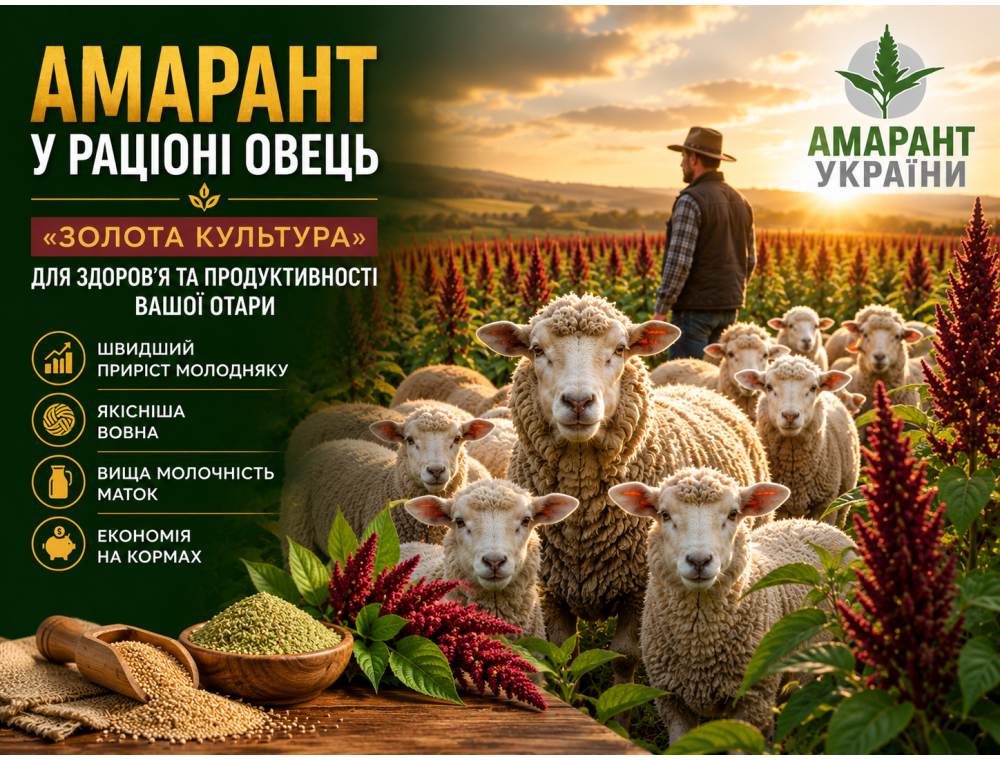
Amaranth in Sheep Diets: The "Golden Crop" for Your Flock’s Health and Productivity
In search of the ideal feed that combines high nutritional value, low maintenance, and improved animal health, farmers are increasingly turning to amaranth. Once known as the "Inca grain," this ancient plant is now becoming a true superfood in modern sheep farming.
Why should you include amaranth in your sheep's diet? Let’s break it down.
Why is Amaranth Superior to Traditional Fodder?
Compared to traditional forage grasses or even alfalfa, amaranth offers several significant advantages:
Exceptional Nutrition: Amaranth contains more protein (up to 18–20% in dry matter) and has a better amino acid profile than most cereals. Its high lysine content is particularly valuable.
Squalene and Vitamins: The presence of squalene—a unique antioxidant—strengthens the immune system, helping sheep resist infectious diseases.
Drought Resistance: During hot summer months when pastures dry up, amaranth continues to actively produce green biomass.
Yield: Amaranth can yield up to 100–150 metric tons of green mass per hectare, making it highly cost-effective.
Results of Incorporating Amaranth
Experience from farms that use amaranth for feeding demonstrates impressive results:
Faster Weight Gain: Young stock on a diet supplemented with amaranth gain weight 15–20% faster.
Improved Wool Quality: The high protein and micronutrient content promotes better wool growth, making it stronger and thicker.
Digestive Health: Thanks to its high fiber and easily digestible nutrients, amaranth improves digestion, reducing the risk of bloating and gastrointestinal disorders.
Higher Milk Yield: Ewes show increased lactation, ensuring better nutrition for lambs during their most critical growth period.
How to Properly Use Amaranth: Standards and Methods
Amaranth can be used in several forms:
Green Mass: It is most effective to introduce amaranth during the budding phase or early flowering (this is when protein concentration is at its peak).
Silage: Amaranth is excellent for ensiling, especially when mixed with corn or sorghum (at a 1:1 ratio). This is an ideal way to balance winter rations.
Leaf Meal: Dried and ground amaranth greens make an excellent supplement to concentrated feeds.
Feeding Guidelines:
For young stock: Up to 30–40% of the daily volume of green mass.
For adults: Can replace up to 50% of roughage; introduce it gradually to the animals' diet.
Amaranth in Pastures: Grazing Strategy
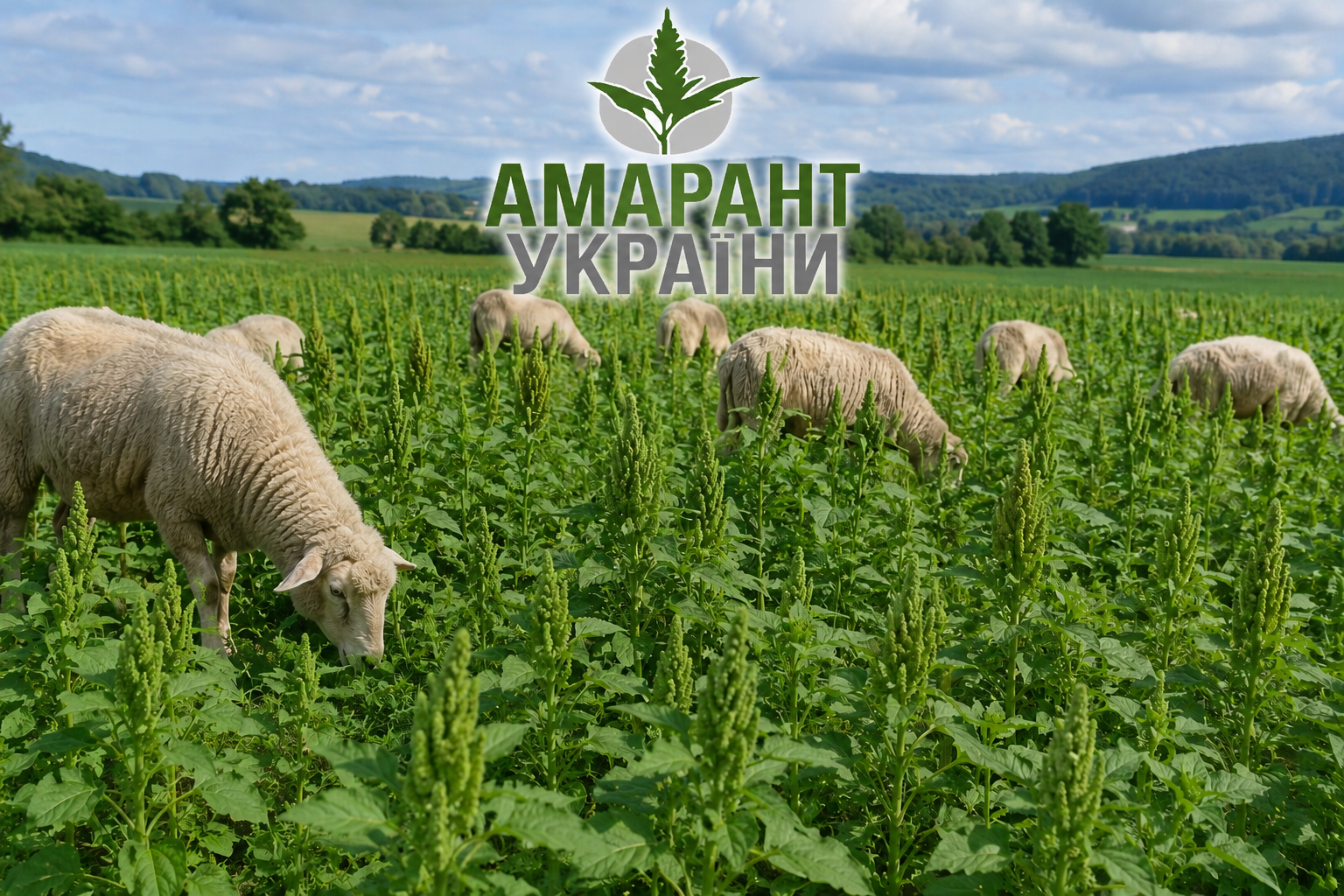
Using amaranth directly in pastures is a smart investment. Since amaranth regrows quickly after cutting (regrowth), it can be used in a rotational grazing system:
Pasture Partitioning: Divide the field into sections.
Grazing: Introduce sheep to the amaranth plot when the plants reach 40–50 cm in height.
Recovery: After grazing, allow the plot to rest for about 3–4 weeks. During this time, the amaranth will produce new shoots, allowing for 2–3 grazing cycles per season.
Important: Do not let plants grow taller than 1 meter, as the stem becomes woody and less palatable for the animals.
Summary
Amaranth is not just a feed crop; it is a strategic tool for increasing the profitability of sheep farming. It is accessible, high-yielding, and incredibly beneficial for your flock’s health. Start adding amaranth to your animals' diet this season, and the results—in the form of healthier and more productive livestock—will not keep you waiting!
Would you like to learn more about the best amaranth varieties for your region or get advice on planting? Leave a comment below or request a free consultation on our website!

Comments: