Amaranth as a High-Protein Fodder Crop: Benefits and Practical Recommendations
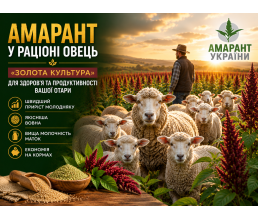
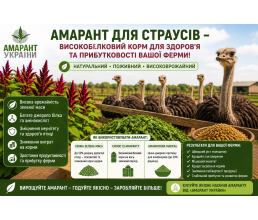
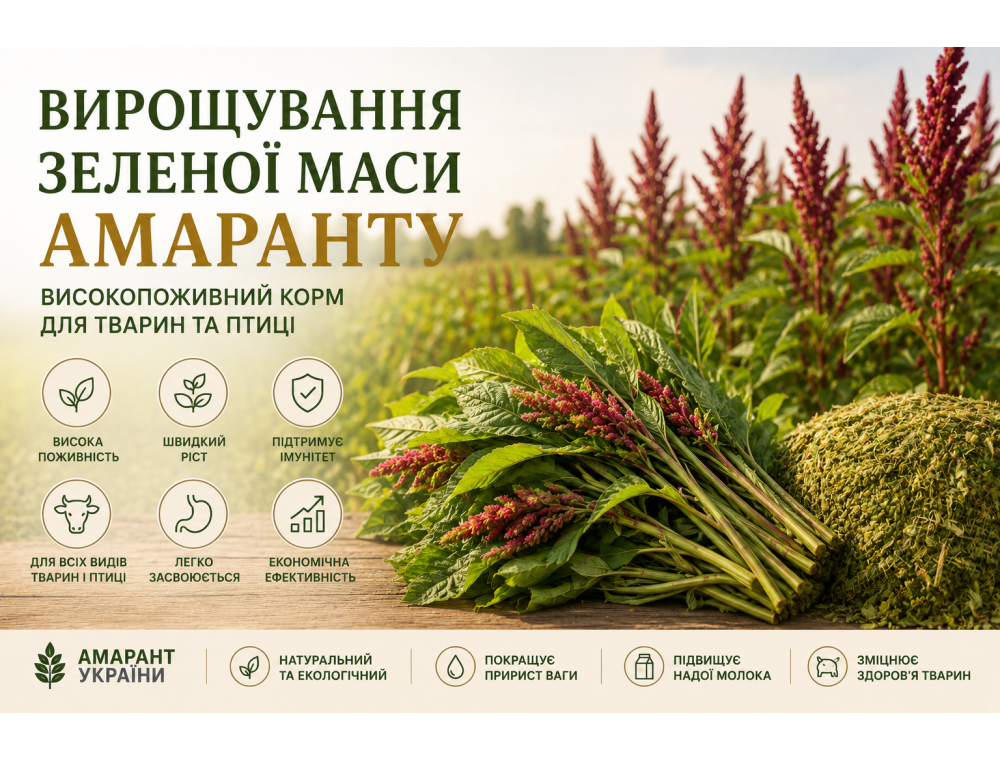
Integrating amaranth into livestock farming is one of the most effective ways to enhance feed quality. Due to its high nutritional value and balanced amino acid profile, this crop is essential for providing complete nutrition to livestock and poultry, especially in protein-deficient environments.
Key Advantages of Amaranth
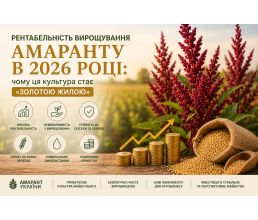
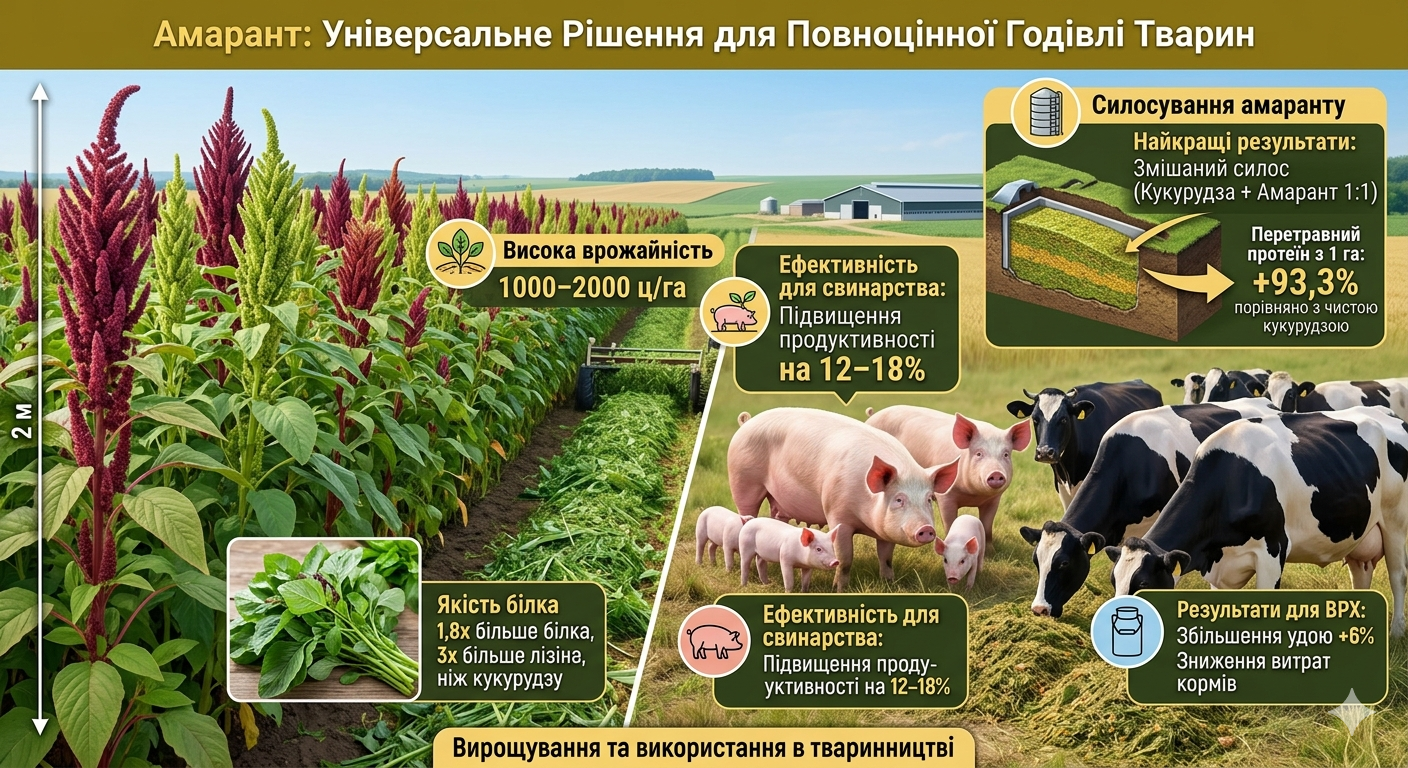
High Yield: The green mass yield exceeds that of corn by 20–40%, averaging 100–200 tons per hectare.
Protein Quality: The protein content in amaranth is 1.8 times higher, and lysine is 3 times higher than in corn.
Drought Resistance: The plant requires 2–2.5 times less water than legumes or cereal crops.
Transpiration Efficiency: Amaranth has a transpiration coefficient of 250 (compared to 300 for sorghum, 330 for corn, and 515 for wheat).
1. Green Fodder Production and Use
Amaranth is a tall annual plant (150–300 cm) with succulent, fleshy stems. Its green mass consists of leaves (40–60%), stems (30–35%), and inflorescences (18–28%).
Comparative Characteristics (Dry Matter Basis):
| Nutrient | Amaranth (Green Mass) | Corn (Dough Stage) |
| Crude Protein | 15.6 – 16.75% | 7.5 – 8% |
| Lysine (per 1 kg DM) | 7.1 – 7.15 g | 2.8 g |
| Crude Fiber | 16 – 21.7% | Higher than Amaranth |
| Carotene | 160 – 200 mg | Lower than Amaranth |
Specifics for Swine Feeding:
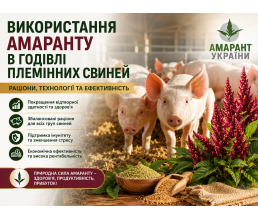
The amino acid balance in amaranth leaves is near-ideal for pigs. It contains only 2–3% fiber, which is half the amount found in alfalfa or clover. This makes it highly digestible. Including amaranth green mass in the diet increases the productivity of sows and piglets by 12–18%.
Important Note: When using fertilizers, amaranth can accumulate nitrates and oxalic acid salts. It is recommended to strictly follow feeding norms according to the age groups of the animals.
2. Amaranth Silage
Research shows that the best quality results are achieved with mixed silage (corn and amaranth at a 1:1 ratio).
The yield of digestible protein per hectare increases by 93.3% compared to pure corn crops.
Lysine content in mixed silage is 2.4 times higher than in pure corn silage.
Results for Cattle (Dairy):
Feeding corn-amaranth silage to dairy cows led to:
A 6% increase in average daily milk yield.
An increase in milk fat content by 0.1%.
An 8.8% reduction in feed units required to produce 1 kg of milk.
3. Efficiency in Pig Farming
The use of amaranth in the form of green mass, silage, or grass pellets has shown significant results:
Sow Fecundity: +14.2%.
Milk Production (Sows): +23.5%.
Piglet Survival Rate: +2.7%.
Growth Rate of Young Pigs: +11.1%.
Cost Efficiency: Corn-amaranth silage can replace up to 20% of concentrated feeds in the diet without losing productivity.
Conclusion
Amaranth is a high-performance alternative to traditional fodder crops. Its implementation solves the problem of protein deficiency, reduces livestock production costs, and improves the immunity and overall productivity of the herd.
Comments: